
Department
Department of Agronomy
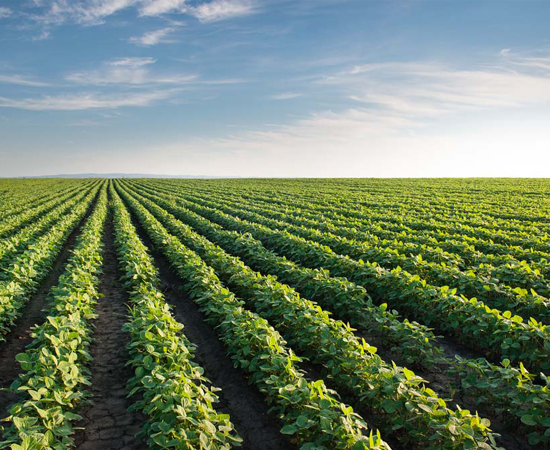
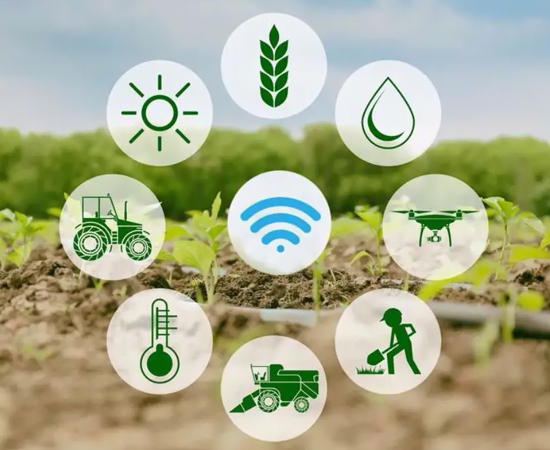
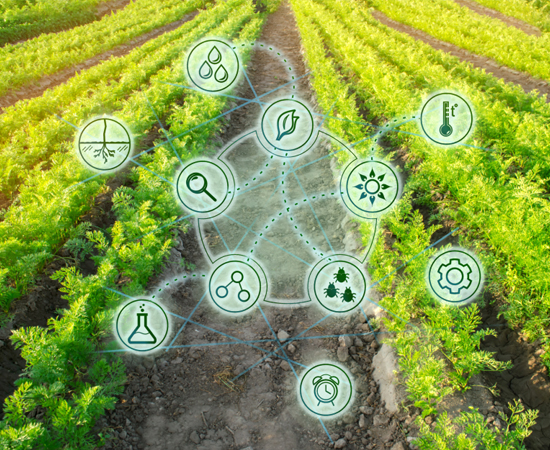
The Department of Agronomy focuses on the scientific principles and practical techniques of crop production and field management. It trains students in soil–crop relationships, water management, nutrient application, and sustainable farming practices. The department conducts field demonstrations, research trials, and crop-based studies to enhance productivity. With modern laboratories and extensive farm units, students gain hands-on experience in managing diverse cropping systems. Faculty members guide students in modern agronomic innovations, climate-smart agriculture, and organic farming methodologies.
Department of Biotechnology
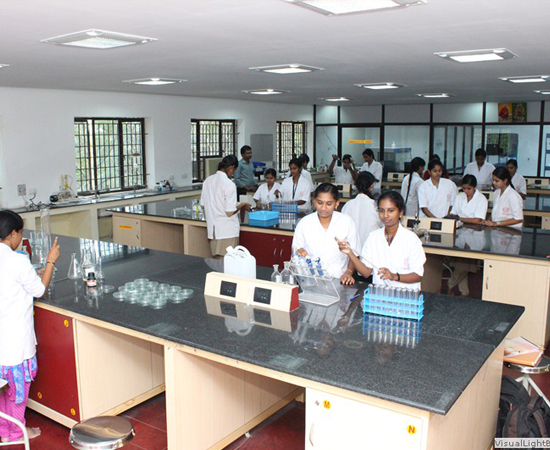
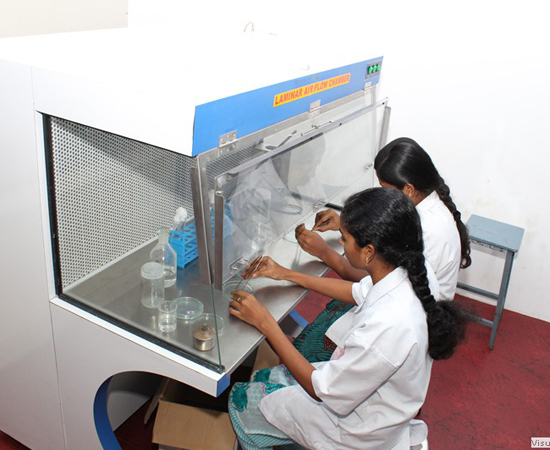
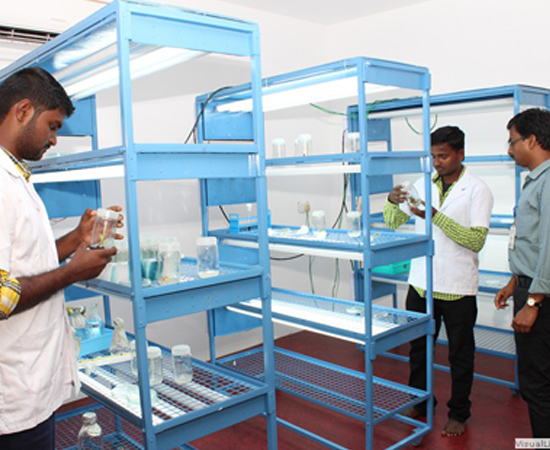
The Department of Biotechnology introduces students to the latest biotechnological tools used for crop improvement, disease resistance, and sustainable agriculture. It emphasises molecular biology, genetic engineering, tissue culture, and microbial technology. Students learn advanced laboratory techniques to understand gene expression, DNA manipulation, and plant tissue regeneration. The department also integrates applied research aimed at enhancing crop productivity and developing eco-friendly technologies. Modern labs and expert faculty ensure strong academic and practical exposure.
Department of Computer Science
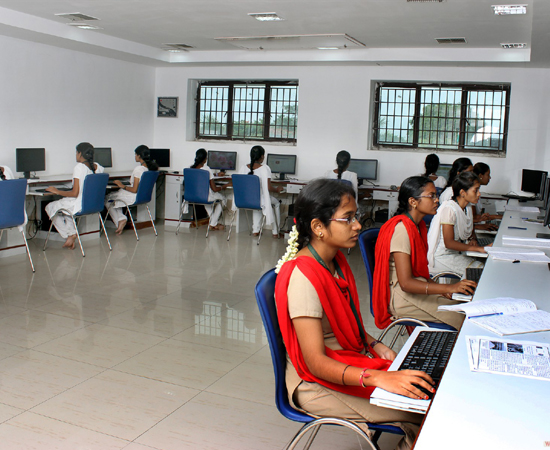
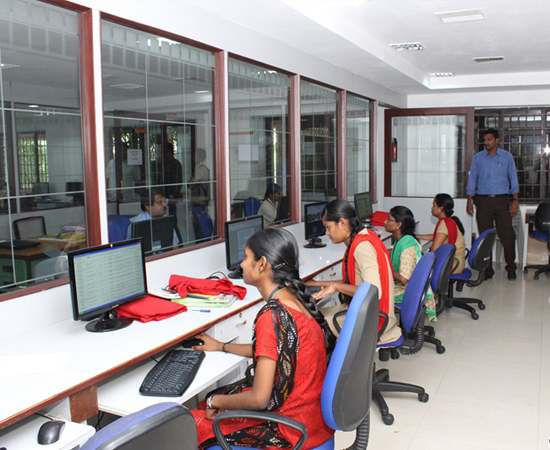
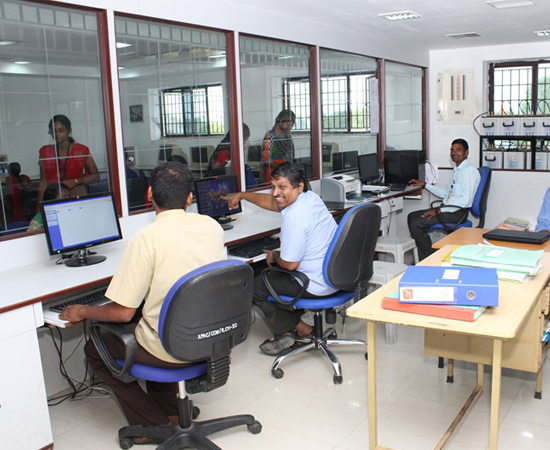
The Department of Computer Science equips agricultural students with essential digital and computational skills required in modern agriculture. The curriculum includes programming, data analysis, database management, and software applications used in agricultural planning. Students gain exposure to ICT tools, precision farming technologies, and farm-management software. The department promotes the integration of technology into agriculture, enabling students to handle digital instruments, mapping tools, and analytics platforms. It plays a vital role in strengthening students’ technical competency.
Department of Agricultural Entomology
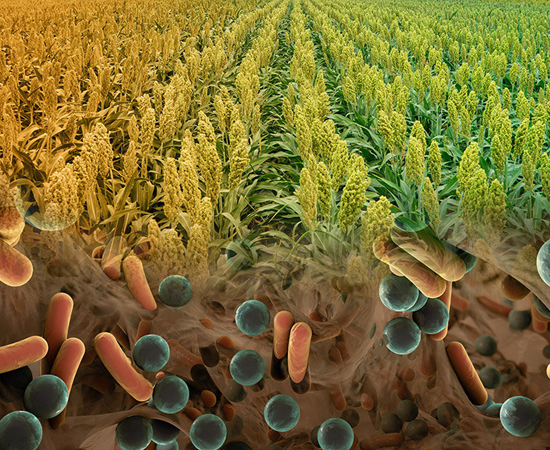
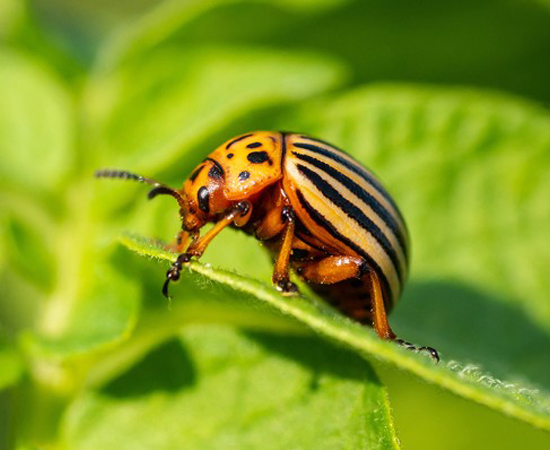
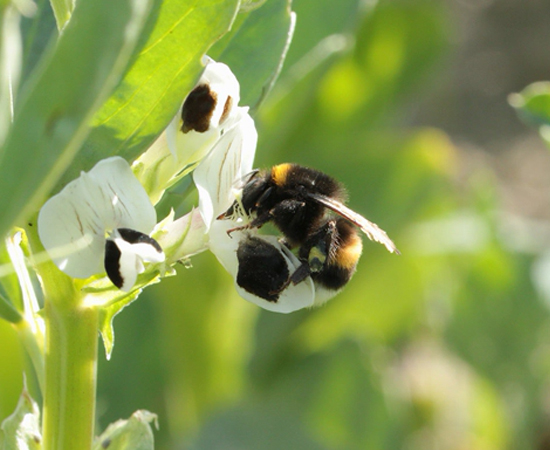
The Department of Agricultural Entomology focuses on the study of insects affecting crops and post-harvest systems. Students learn pest identification, life cycles, behaviour, and ecological interactions. The department trains students in Integrated Pest Management (IPM), biological control, and eco-friendly crop protection strategies. Laboratory sessions include specimen collection, culturing, and diagnostic techniques. Faculty actively engage in research and farmer advisory programmes to develop sustainable pest management solutions. The department plays a crucial role in ensuring crop health and productivity.
Department of Agricultural Microbiology
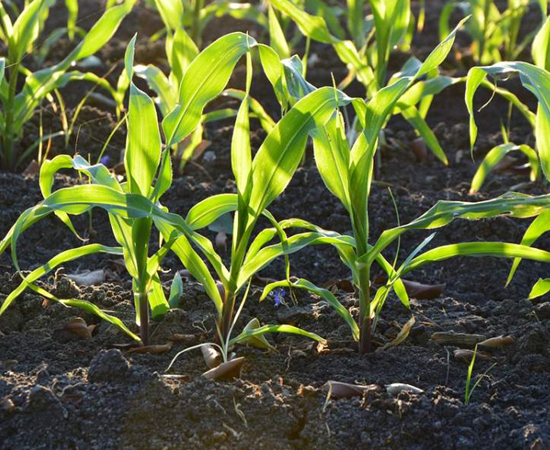
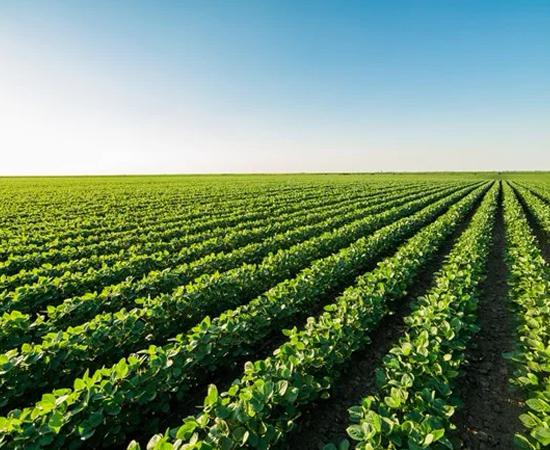
The Department of Agricultural Microbiology explores microorganisms that influence soil fertility, plant growth, and environmental health. Students learn about beneficial microbes, biofertilizers, biopesticides, and microbial interactions. The department offers rigorous laboratory training in culturing, isolating, and characterising microorganisms. It promotes sustainable agriculture by developing microbial technologies that enhance soil health and crop yield. Research activities focus on microbial biotechnology and environmental applications. The department creates a strong foundation for careers in biotechnology and crop science.
Department of Plant Breeding & Genetics
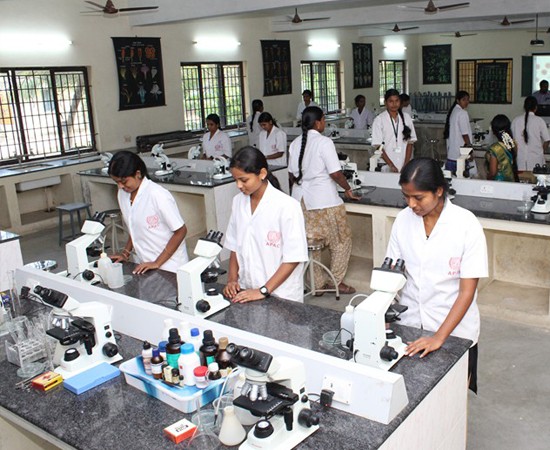
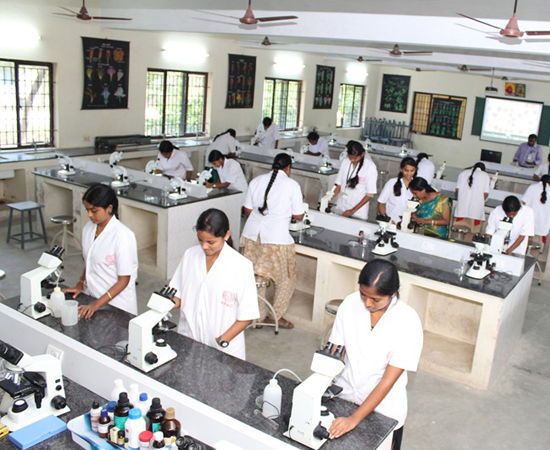
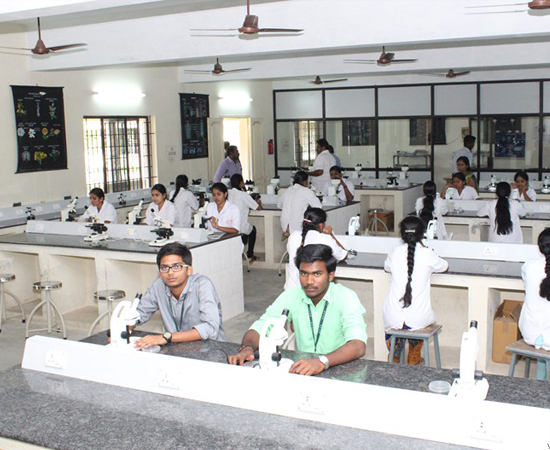
This department plays a central role in crop improvement through genetic research and plant breeding techniques. Students study principles of heredity, hybridisation, selection, and variety development. Practical training includes field evaluations, controlled breeding experiments, and trait analysis. The department aims to develop crop varieties that are high-yielding, disease-resistant, and climate-resilient. Faculty members conduct research on genetic diversity and modern breeding tools. The department provides excellent opportunities for students aspiring to work in seed industries and research institutions.
Department of Plant Pathology
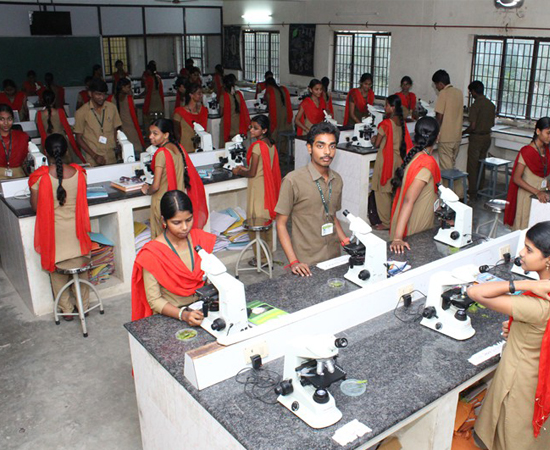
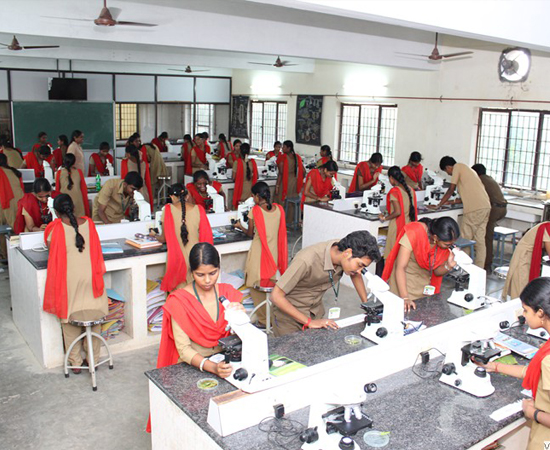
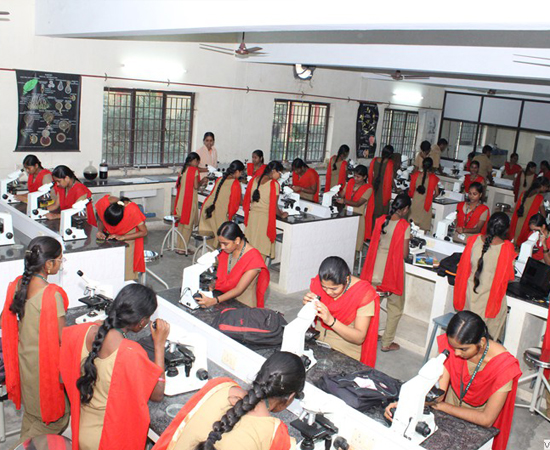
The Department of Plant Pathology deals with the diagnosis, study, and management of plant diseases. Students learn about fungal, bacterial, viral, and nematode pathogens affecting crops. Laboratory training includes microscopy, culturing, molecular diagnostics, and disease forecasting techniques. The department stresses Integrated Disease Management (IDM) and biosecurity measures. Research activities focus on developing sustainable disease control strategies. Faculty interact with farmers through diagnostic camps and extension programmes, helping safeguard crop health.
Department of Agricultural Engineering
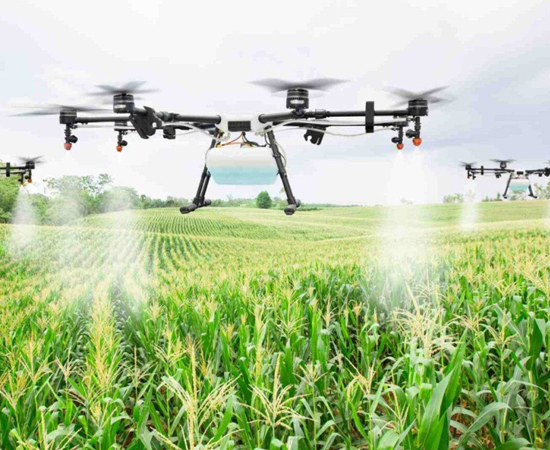
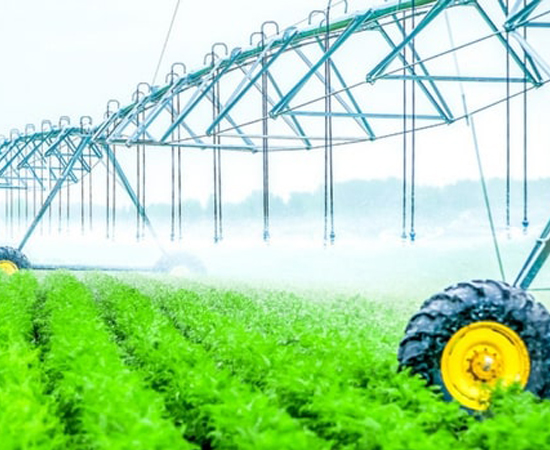
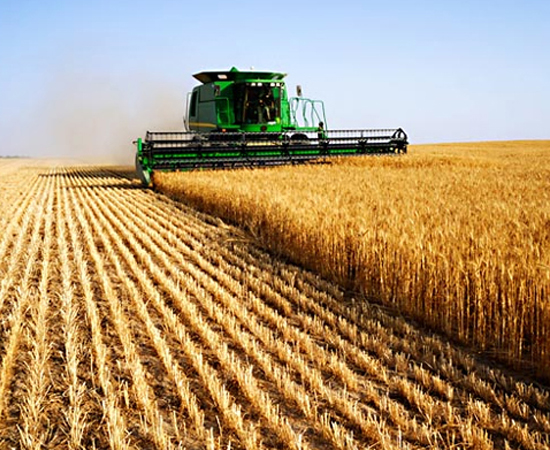
The Department of Agricultural Engineering introduces students to tools, machinery, and technologies that improve farm efficiency. It covers irrigation systems, farm mechanisation, post-harvest engineering, and soil and water conservation techniques. Students gain hands-on experience with farm implements and engineering models. The department supports practical learning through workshops and demonstration units. Research and training focus on reducing labour, improving resource use efficiency, and enhancing productivity. It prepares students for modern mechanised agricultural operations.
Department of Food Science & Nutrition
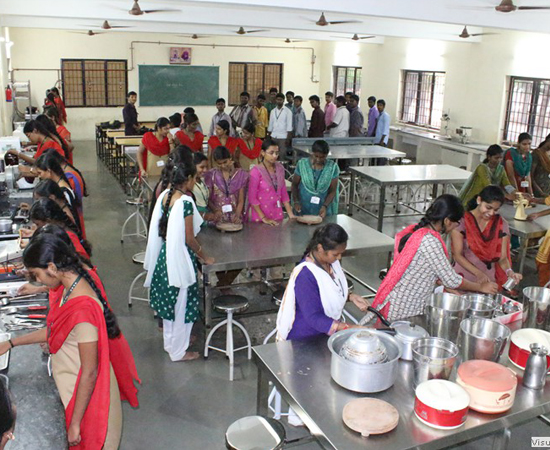
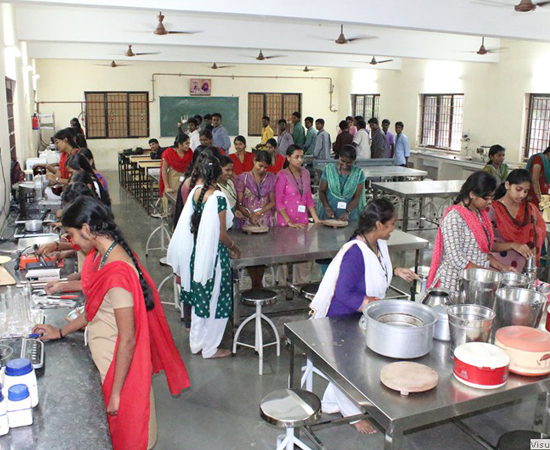
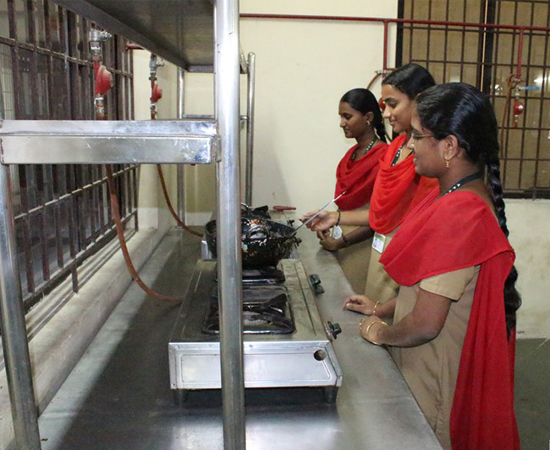
This department provides foundational knowledge of food processing, preservation, quality control, and human nutrition. Students explore the science behind food composition, safety standards, and value-added product development. Practical sessions include food analysis, sensory evaluation, and processing techniques. The department encourages innovation in food product formulation and post-harvest technology. Faculty guide students on nutrition awareness and food security initiatives. It prepares graduates for careers in food industries and research laboratories.
Department of Biochemistry
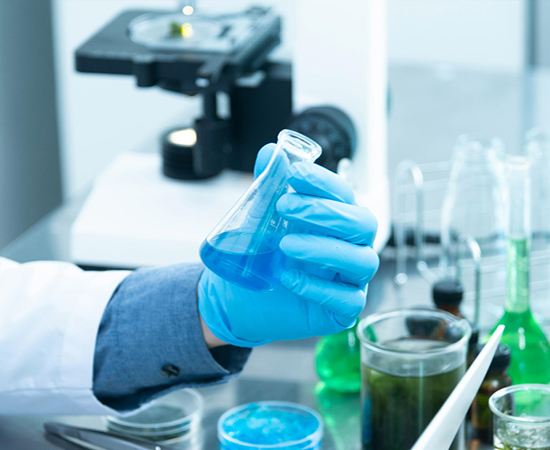
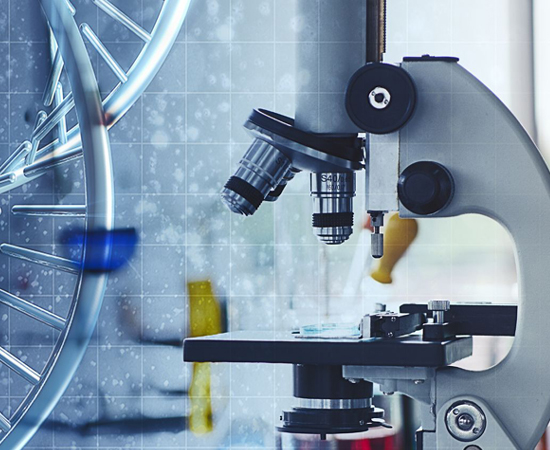
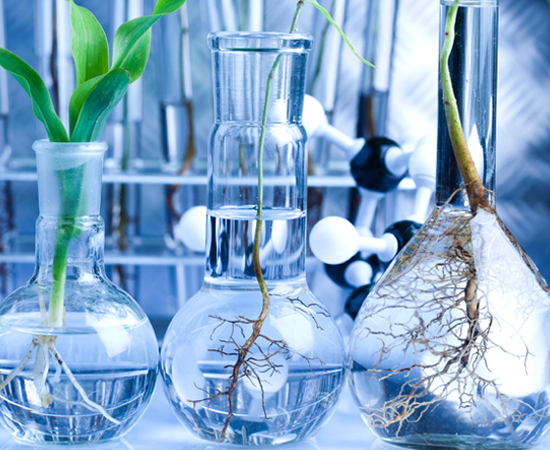
The Department of Biochemistry offers insight into the chemical processes essential for plant growth and metabolism. Students learn about enzymes, biomolecules, biochemical pathways, and plant physiology at the molecular level. Laboratory training includes chromatography, spectrophotometry, and biochemical assays. The department supports research activities related to stress physiology, nutrient metabolism, and biochemical diagnostics. It provides a strong scientific base for advanced studies in biotechnology and life sciences.
Department of Agricultural Economics
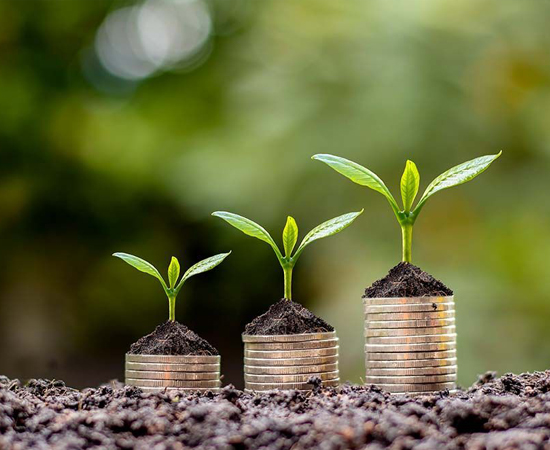
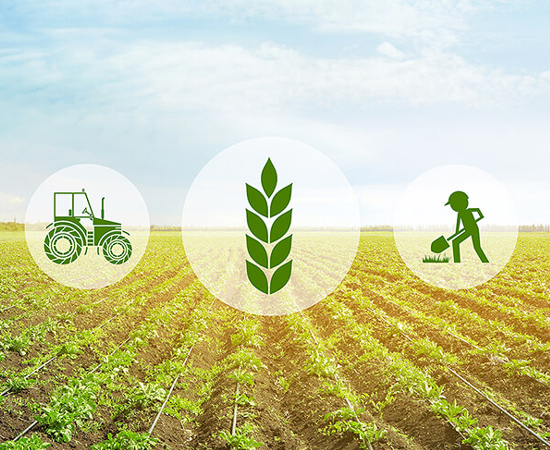

This department focuses on economic principles applied to agriculture, agribusiness, and rural development. Students study farm management, market analysis, agricultural finance, and resource economics. The department trains students to evaluate farming systems, cost–benefit scenarios, and policy frameworks. It emphasises entrepreneurship, marketing strategies, and financial planning. Faculty members engage in socio-economic research and farmer advisory work. The department builds analytical skills essential for decision-making in agriculture and allied sectors.
Department of Agricultural Extension
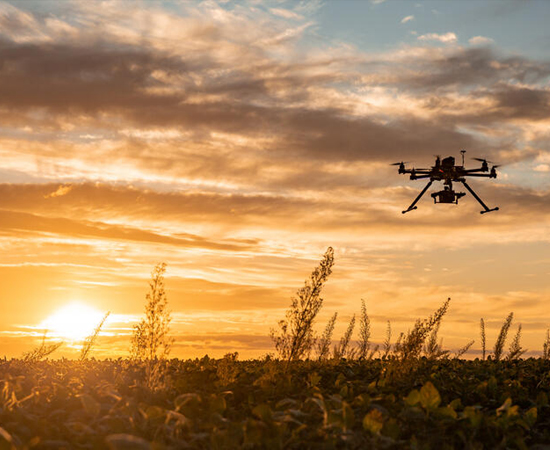
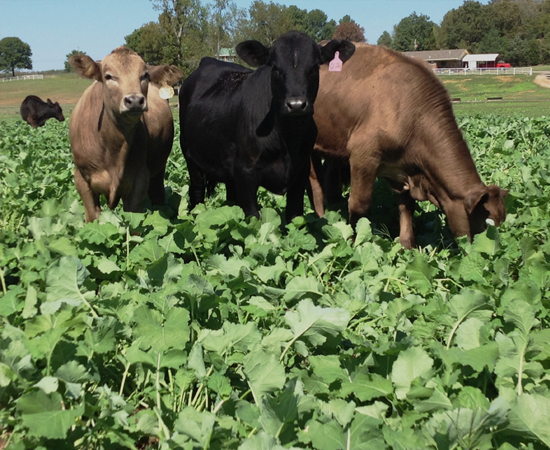

The Department of Agricultural Extension bridges the gap between scientific research and farming communities. Students learn communication methods, rural development strategies, and extension education techniques. The department trains students to identify farmers’ needs and provide practical solutions. Outreach programmes, field visits, and farmer training sessions are integral components. Faculty work closely with rural communities to promote awareness about new technologies and government schemes. The department prepares students for roles in community development and farm advisory services.
Department of Horticulture
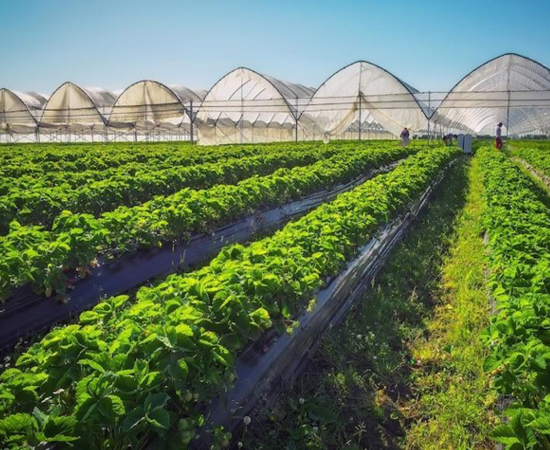
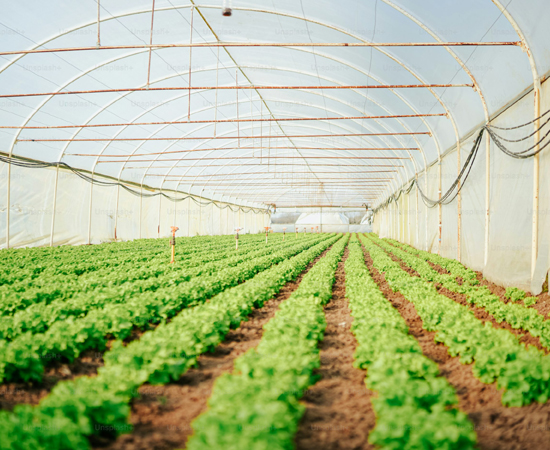
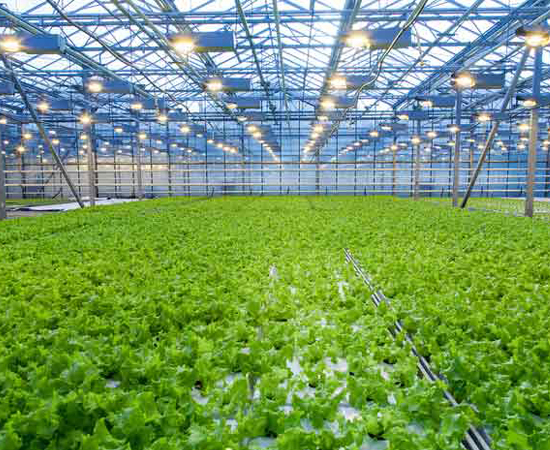
The Department of Horticulture covers the cultivation of fruits, vegetables, flowers, and ornamental plants. Students learn nursery techniques, protected cultivation, landscaping, and orchard management. Practical training includes grafting, propagation, and controlled environment production. The department supports research on crop improvement, pest management, and post-harvest handling. Faculty guide students in developing commercial horticulture ventures. It equips graduates with the skills needed for horticulture industries and entrepreneurial ventures.
Department of Soil Science & Agricultural Chemistry
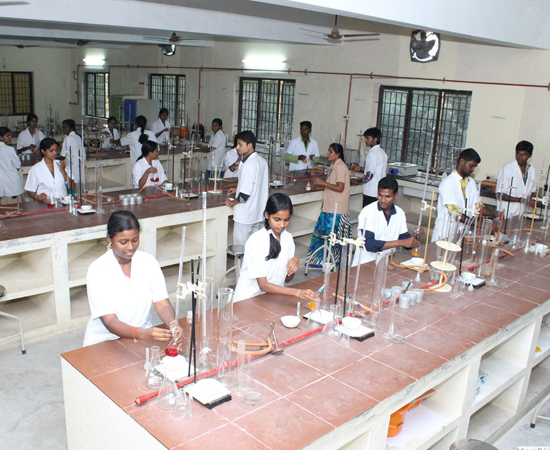
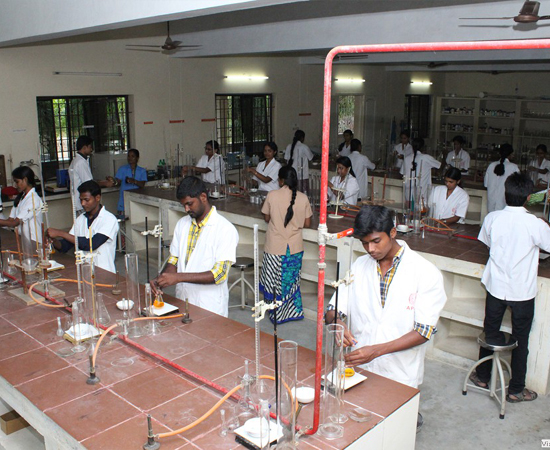
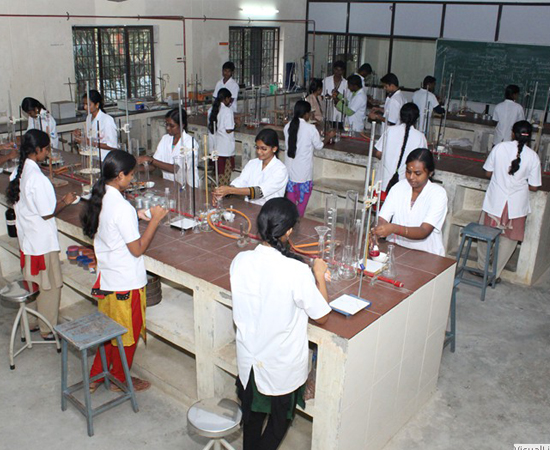
This department focuses on the physical, chemical, and biological properties of soils and their role in crop production. Students learn about soil fertility, nutrient management, soil testing, and environmental sustainability. Laboratory sessions involve soil analysis, chemical assays, and fertility evaluation. Research activities address soil conservation, pollution management, and nutrient dynamics. The department plays a crucial role in improving soil health and guiding scientific land management practices.
Department of Seed Science & Technology
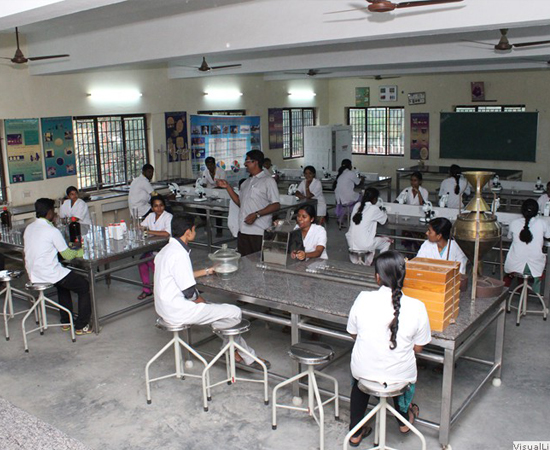
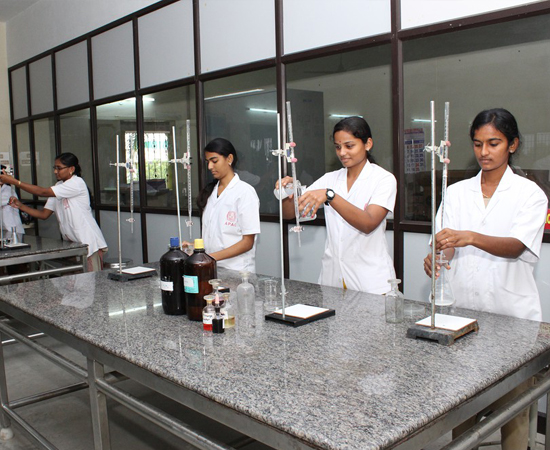
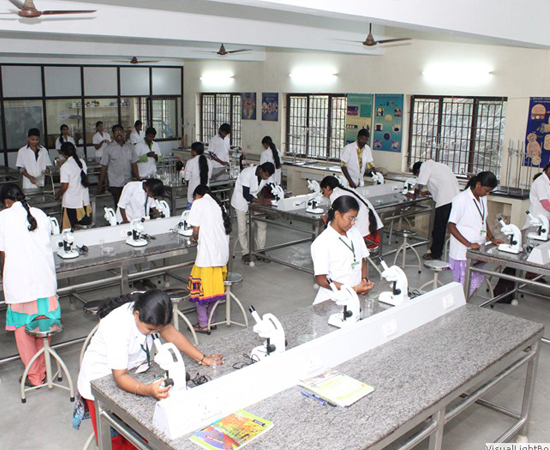
The Department of Seed Science & Technology trains students in seed production, processing, testing, and certification. Students learn about seed physiology, quality standards, and storage techniques. The department operates seed testing laboratories and demonstration plots. Practical exposure includes viability tests, germination analysis, and seed treatment methods. Faculty members focus on improving seed quality and enhancing genetic purity. The department prepares students for careers in seed industries and research organisations.
Department of Veterinary Science
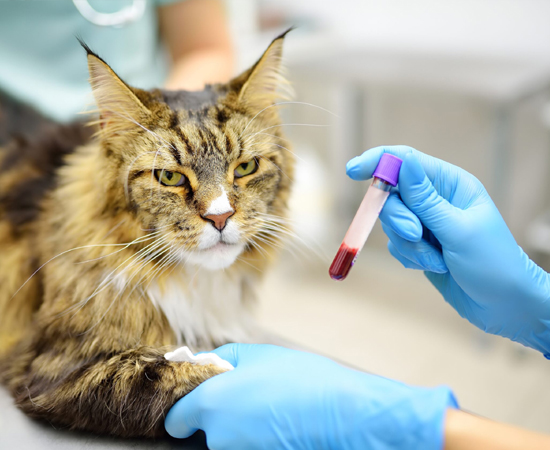
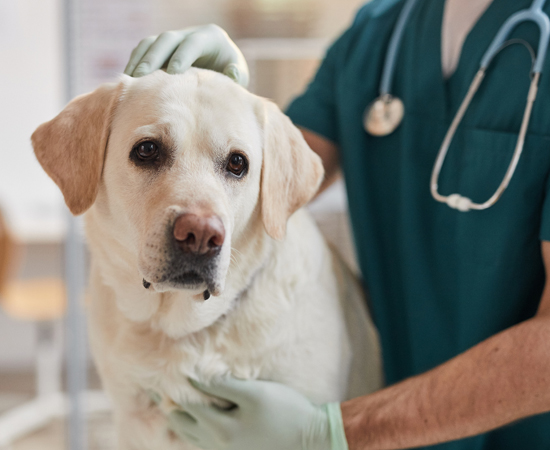

The Department of Veterinary Science introduces students to the fundamentals of animal health, nutrition, and disease management. It covers livestock management, vaccination practices, and common disease identification. Practical sessions include handling livestock, conducting basic health examinations, and maintaining farm animals. The department supports integrated farming models by teaching animal husbandry practices. It plays a vital role in educating students about the importance of livestock in agricultural sustainability.
Department of Crop Physiology
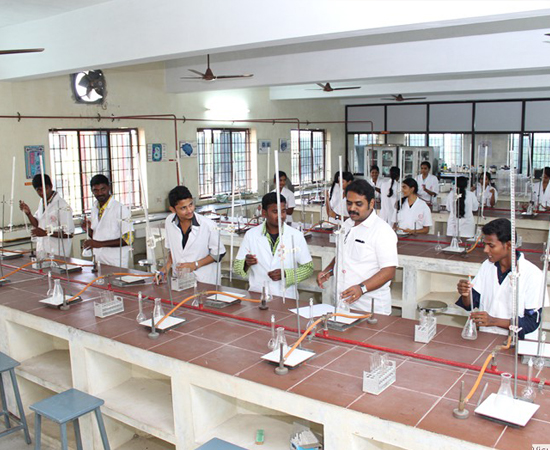
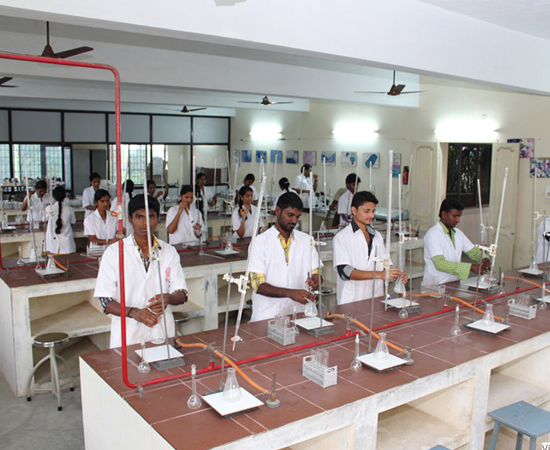
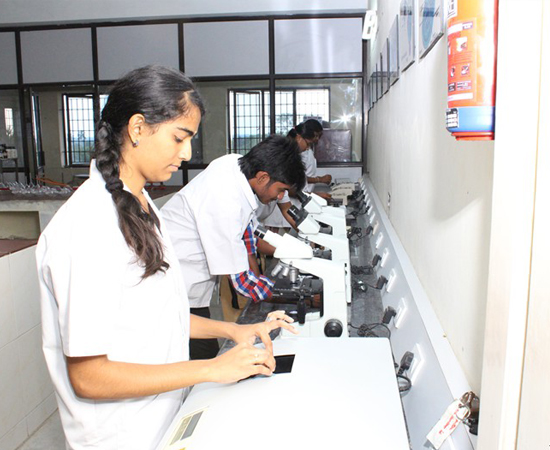
This department studies the physiological processes that influence plant growth, development, and productivity. Students explore topics such as photosynthesis, respiration, water relations, and stress physiology. Laboratory work includes plant tissue analysis, growth measurement, and physiological experimentation. The department focuses on improving crop efficiency under varying environmental conditions. Faculty guide students in research related to climate resilience and crop improvement. It strengthens students’ understanding of plant function at a scientific level.
Department of Forestry
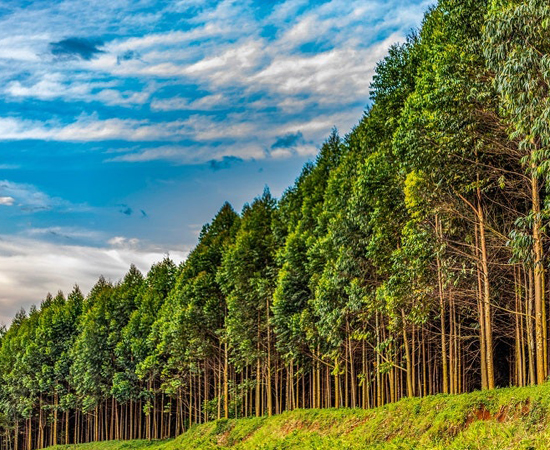
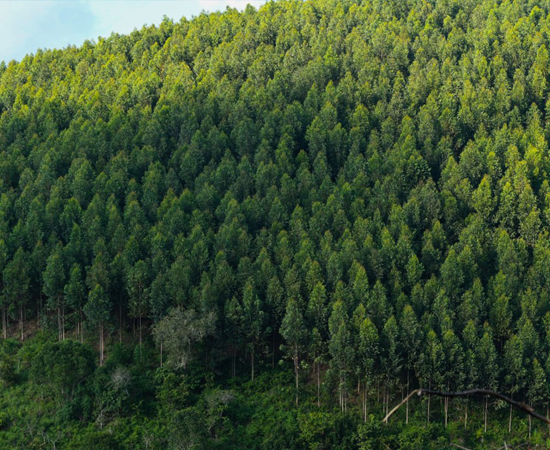

The Department of Forestry provides knowledge on forest ecosystems, tree cultivation, biodiversity conservation, and environmental management. Students study silviculture, forest nurseries, agroforestry systems, and wildlife protection. Practical sessions include tree identification, plantation techniques, and ecological surveys. The department contributes to sustainable natural resource management and climate change mitigation. It prepares students for careers in forestry, conservation, and environmental consulting.
Department of Social Science & Humanities
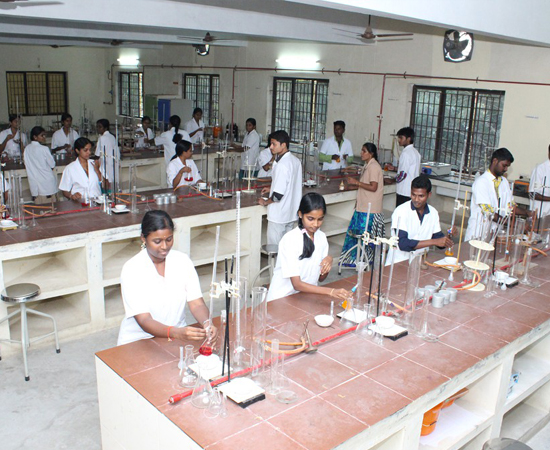
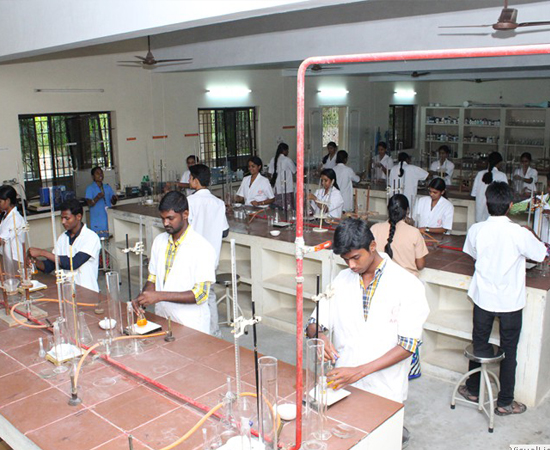
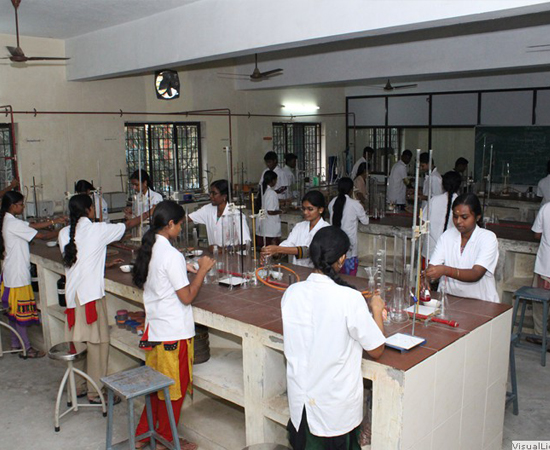
This department focuses on developing students’ soft skills, communication abilities, ethical values, and social awareness. Courses include English, mathematics, personality development, and human values. The department enhances students' confidence and prepares them for academic and professional success. It also builds interpersonal skills and promotes a holistic educational environment. Faculty members encourage critical thinking, discipline, and leadership qualities among students.
Department of Yoga



The Department of Yoga promotes physical fitness, mental well-being, and emotional balance among students. The curriculum includes yoga postures, breathing techniques, meditation, and stress management practices. Students learn the importance of holistic health and its role in academic excellence. Regular yoga sessions improve concentration, flexibility, and overall wellness. The department creates a healthy learning environment and helps students develop lifelong self-care habits.
Study, Spirituality & Service
The core guiding principles of the institution rest on a meaningful triad: