Research & Extension
Research & Extension
Research Activities
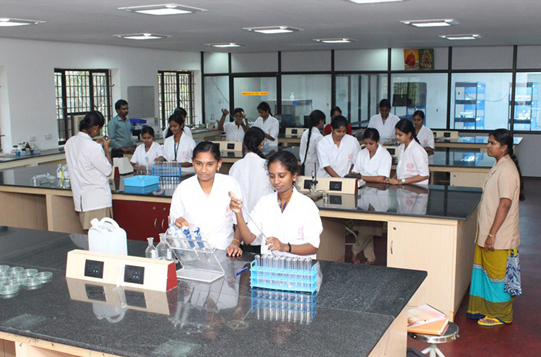
The institution actively conducts research aimed at solving real-world agricultural challenges and improving crop productivity. Faculty and students engage in scientific studies related to crop improvement, soil fertility, plant protection, climate resilience, biotechnology, and sustainable farming practices.
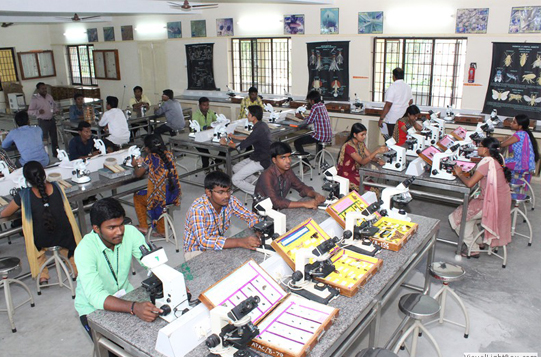
Research projects are carried out through field trials, laboratory experiments, and collaborative programmes with external agencies. The college encourages innovation and evidence-based solutions that benefit farmers and the agricultural industry. Findings from research activities contribute to improved agricultural technologies, enriched academic knowledge, and enhanced rural livelihoods.
Extension Services
Extension services play a crucial role in connecting scientific advancements with the farming community. The college regularly conducts outreach programmes to educate farmers on modern farming methods, pest and disease management, soil health improvement, and irrigation techniques.
Faculty members visit villages, demonstrate practical solutions, and provide advisory support based on field conditions. These services aim to bridge the gap between laboratory research and field application. Through extension activities, the institution empowers farmers with updated knowledge and promotes sustainable agricultural practices.
Farmer Training Programmes
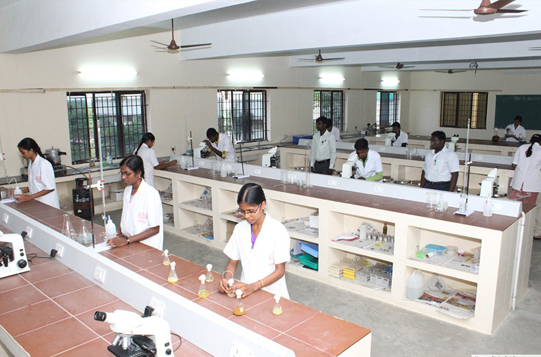
The college organises structured farmer training programmes to enhance the skills and knowledge of cultivators across various agricultural domains. These programmes include sessions on seed treatment, nursery management, crop cultivation techniques, fertilizer application, and post-harvest management.
Training modules are designed in simple, practical formats to ensure easy understanding and application. Demonstrations, hands-on activities, and interactive discussions help farmers adopt new technologies confidently. Such initiatives contribute to improved farm productivity and better income generation for rural communities.
Workshops & Seminars
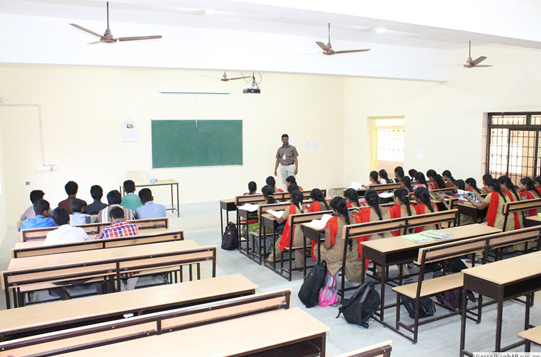
Regular workshops and seminars are conducted to expose students, researchers, and farmers to emerging trends in agriculture. Experts from universities, research institutions, and industry are invited to share their insights on advanced technologies, climate-smart agriculture, biotechnology, and modern crop management techniques.
These events encourage knowledge exchange, build professional networks, and inspire innovative thinking. Students gain the opportunity to present their research findings and engage in academic discussions. Workshops and seminars strengthen the institution’s academic environment and promote continuous learning.
Technology Dissemination
Technology dissemination activities ensure that the latest agricultural innovations reach the farming community effectively. The college shares new seeds, biofertilizers, disease management solutions, irrigation techniques, and precision farming tools developed through research.
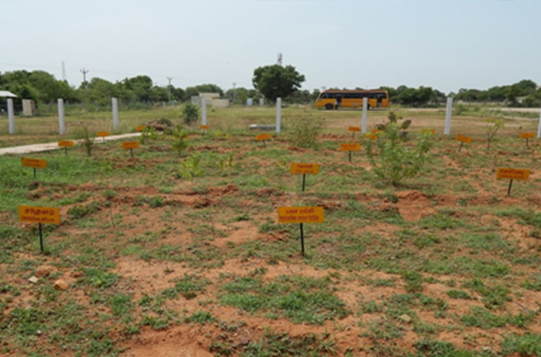
Demonstration fields allow farmers to observe the performance of new technologies directly. Faculty members provide guidance on adopting eco-friendly and cost-effective practices. By promoting modern technologies, the institution supports sustainable agriculture and enhances the efficiency and profitability of farms. This continuous flow of knowledge from campus to community ensures long-term agricultural development.
Study, Spirituality & Service
The core guiding principles of the institution rest on a meaningful triad: